
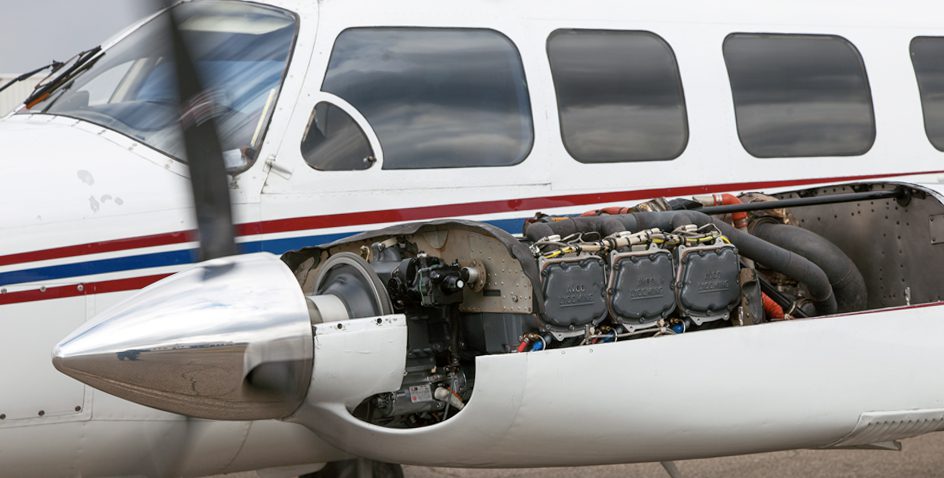
When it comes to aircraft engine overhauls, preparation is just as important as the work itself. While choosing a qualified, FAA-certified repair shop is critical, there is another factor that plays a major role in the quality, efficiency, and cost of your overhaul: your aircraft engine logbooks.
Providing complete and up-to-date logbooks is one of the most important steps you can take to ensure a smooth and successful overhaul process. Without accurate records, even the most experienced technicians are forced to work with incomplete information, which can lead to unnecessary work, higher costs, and potential compliance risks.
Why Aircraft Engine Logbooks Matter
Aircraft engine logbooks are the official record of your engine’s history. They document everything from routine maintenance and inspections to major repairs and component replacements.
For any FAA-regulated aircraft, these records are essential for:
- Tracking maintenance history
- Verifying compliance with Airworthiness Directives (ADs)
- Identifying installed components and their service life
- Supporting resale value and airworthiness
When you bring your engine to a repair shop, these logbooks serve as the foundation for the entire overhaul process.
Supporting FAA Compliance and Safety
Working with a shop certified by the Federal Aviation Administration ensures that your overhaul follows strict procedures and documentation standards. However, the repair station can only work with the information you provide.
Up-to-date logbooks help technicians:
- Confirm compliance with current ADs and service bulletins
- Identify components that may require inspection or replacement
- Avoid overlooking critical safety issues
Without accurate records, the shop may need to perform additional inspections or even disassemble components just to verify compliance, increasing both time and cost.
Avoiding Unnecessary Work and Expenses
One of the biggest advantages of providing complete logbooks is cost efficiency.
For example, if your records show that a turbocharger or accessory component was recently replaced or overhauled, the repair shop can avoid duplicating that work. Without that documentation, they may have no choice but to inspect or overhaul those components again to ensure safety and compliance.
Accurate logbooks help:
- Prevent redundant labor
- Reduce parts replacement costs
- Streamline the overhaul process
In short, better documentation leads to smarter decision-making and lower overall expenses.
Identifying Opportunities for Preventive Maintenance
An engine overhaul is also the perfect time to evaluate other components of your aircraft.
Your logbooks can reveal whether related systems, such as the propeller, are approaching their maintenance intervals. If your propeller is close to needing service, addressing it during the engine overhaul can save significant time and labor down the line.
This proactive approach allows you to:
- Minimize future downtime
- Consolidate maintenance costs
- Improve overall aircraft reliability
Early Detection of Airworthiness Directives (ADs)
Before disassembly begins, repair shops often review logbooks alongside key engine components such as the crankshaft to determine if any parts are affected by Airworthiness Directives.
ADs are legally enforceable regulations issued by the FAA to address unsafe conditions. If a component in your engine is subject to an AD, it must be inspected, repaired, or replaced.
Complete logbooks make it easier to:
- Identify affected parts quickly
- Ensure compliance before reassembly
- Avoid delays caused by missing information
Without proper documentation, identifying AD-related issues can become a time-consuming and costly process.
Copies Are Acceptable But Accuracy Is Critical
If you are hesitant to send original logbooks, copies are generally acceptable for most repair shops. The key requirement is not the format but the accuracy and completeness of the information.
Make sure your records include:
- Recent maintenance entries
- Component installation and replacement history
- Inspection and compliance documentation
- Any major repairs or modifications
The more detailed your records, the more efficiently your repair shop can perform the overhaul.
The Impact on Turnaround Time
Incomplete or outdated logbooks can significantly delay your overhaul.
When information is missing, technicians may need to:
- Conduct additional inspections
- Research component histories
- Verify compliance manually
These extra steps can extend turnaround time and increase labor costs. On the other hand, providing well-organized, up-to-date logbooks allows the repair shop to move forward with confidence and efficiency.
Maximizing the Value of Your Overhaul
An aircraft engine overhaul is a major investment. To get the most value from it, you need to provide your repair shop with as much information as possible.
Complete logbooks help ensure:
- Accurate scope of work
- Efficient use of time and resources
- Full regulatory compliance
- Long-term reliability and performance
They also contribute to higher resale value by demonstrating a well-documented maintenance history.
Final Thoughts
If you want to receive the highest level of aircraft engine overhaul service, do not overlook the importance of your logbooks. They are more than just records. They are a critical tool that enables your repair shop to deliver precise, efficient, and compliant work.
Before sending your engine in for overhaul, take the time to review and organize your logbooks. Ensure they are complete, current, and easy to understand.
In aviation, details matter. The more information you provide, the better the outcome.
If you have had experiences where incomplete logbooks caused delays or added costs, or where well-maintained records made the process seamless, those insights can be invaluable for other aircraft owners preparing for their next overhaul.
