
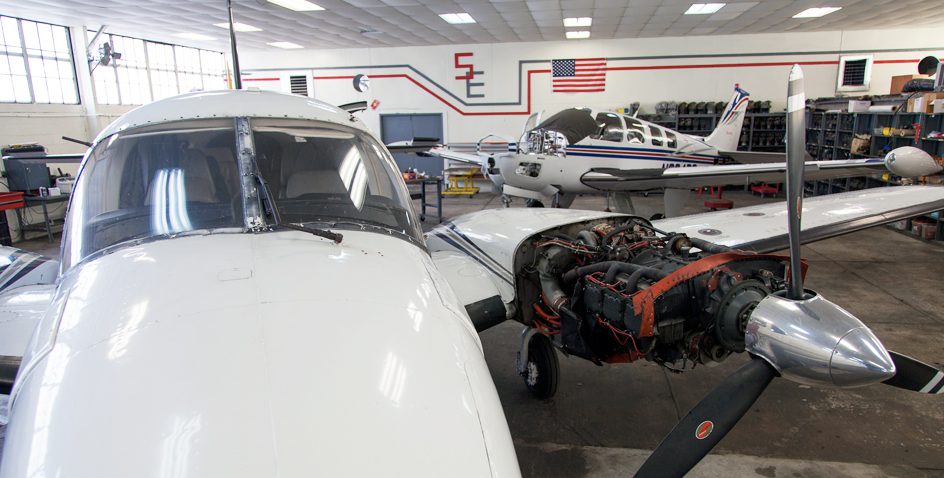
When it comes to aircraft engine overhauls, safety, compliance, and reliability are non-negotiable. Whether you operate a private aircraft or manage a fleet, choosing the right overhaul repair shop plays a critical role in performance and long-term airworthiness. One of the most important factors to consider is whether the repair shop is certified by the Federal Aviation Administration (FAA). But how important is FAA licensing, really?
The short answer: it is essential. Below, we break down why working with an FAA licensed repair station is one of the smartest decisions you can make for your aircraft.
What Does It Mean to Be an FAA Licensed Repair Shop?
An FAA licensed repair station operates under strict regulatory standards set by the FAA. These facilities are required to follow approved procedures for inspection, maintenance, and overhaul of aircraft components, including engines.
This certification is not just a label. It represents a commitment to safety, documentation, quality control, and ongoing compliance. FAA licensed shops are routinely audited and must meet high operational standards to maintain their certification.
Standardized Procedures Ensure Consistency
One of the biggest advantages of choosing an FAA licensed overhaul repair shop is the use of FAA approved procedures. Every step of the engine overhaul process must follow a clearly defined and regulated workflow.
This means:
- No guesswork in how repairs or overhauls are performed
- Consistent quality across every engine
- Reduced risk of shortcuts or errors
For aircraft owners and operators, this level of consistency directly translates into safer and more reliable engine performance.
Detailed Documentation and Traceability
Documentation is a cornerstone of FAA compliance. Every component, inspection, and repair step is recorded and tracked throughout the overhaul process.
Why does this matter?
Aircraft parts are occasionally subject to Airworthiness Directives (ADs) or Service Bulletins. If a specific part is flagged, having detailed records allows the repair shop to quickly identify whether that component is in your engine.
Without proper documentation, you could be forced to disassemble the engine just to verify compliance. FAA licensed repair stations eliminate this uncertainty by maintaining precise records of:
- Parts origin and purchase history
- Installation dates
- Inspection results
- Compliance with ADs and service bulletins
This level of traceability saves time, money, and unnecessary risk.
Built-In Checks and Balances
FAA regulations require a dual-layer inspection system. This means that:
- The mechanic performing the work must sign off on each completed step
- An inspector independently verifies the work and signs off as well
This “checks and balances” system significantly reduces the likelihood of errors. Having multiple qualified professionals review each stage of the overhaul ensures that nothing is overlooked.
In aviation, even minor mistakes can have serious consequences. FAA oversight helps minimize that risk.
Higher Safety Standards
FAA licensed repair shops operate under constant oversight. The FAA conducts inspections, audits procedures, and ensures compliance with safety regulations.
This added layer of accountability means:
- Shops are held to higher operational standards
- Safety protocols are strictly enforced
- Any deficiencies must be corrected immediately
For customers, this translates into peace of mind knowing that your engine overhaul meets some of the most stringent safety requirements in the industry.
Regular Equipment Testing and Calibration
Another often overlooked benefit is equipment reliability. The FAA requires that all tools and equipment used in the overhaul process are regularly tested and calibrated, typically on an annual basis.
This ensures:
- Accurate measurements and tolerances
- Reliable diagnostics
- Consistent repair quality
Without proper calibration, even the most skilled technician could produce inaccurate results. FAA regulations help eliminate that variable.
Additional Certifications Add Value
While FAA certification is critical, many top-tier repair shops go even further by obtaining additional credentials. For example, some facilities are certified by the European Union Aviation Safety Agency (EASA).
This is especially important for international operators. European customers are often required to work with EASA-certified repair stations to remain compliant with their own aviation authorities.
Other valuable certifications may include:
- Authorization to service government or military aircraft
- Specialized certifications for specific engine manufacturers like Lycoming or Continental
- Advanced training credentials for technicians
These additional qualifications demonstrate expertise and expand the shop’s capabilities.
Why FAA Licensing Matters for Your Aircraft Investment
An aircraft engine overhaul is a significant investment. Choosing a non-certified repair shop might seem like a cost-saving option upfront, but it can lead to:
- Increased risk of mechanical failure
- Lack of documentation for resale or compliance
- Higher long-term maintenance costs
- Potential safety hazards
On the other hand, an FAA licensed repair shop provides:
- Verified quality and compliance
- Comprehensive documentation
- Enhanced safety and reliability
- Greater resale value for your aircraft
Final Thoughts
While it is always important to thoroughly vet any overhaul repair shop, FAA licensing should be at the top of your checklist. It is more than just a certification. It is a guarantee that the shop follows strict industry standards, maintains detailed records, and prioritizes safety at every stage of the overhaul process.
If you want confidence in your aircraft’s performance and longevity, working with an FAA licensed repair station is not just important—it is essential.
If you are evaluating overhaul options, consider asking about FAA certification, documentation practices, inspection procedures, and any additional credentials. The answers will tell you a lot about the level of quality and care you can expect.
